'Doctor Who' Review: 'Heaven Sent' Is a Compelling Psychological Nightmare
Recap and review of Doctor Who - Season 9 Episode 11 - Heaven Sent:
I admit that this was the most confused I've been by an episode of Doctor Who this season. "Heaven Sent" is a compelling psychological nightmare that begins to tie the season together by bringing us back to the concept of a Hybrid, which has been a recurring note throughout the season.
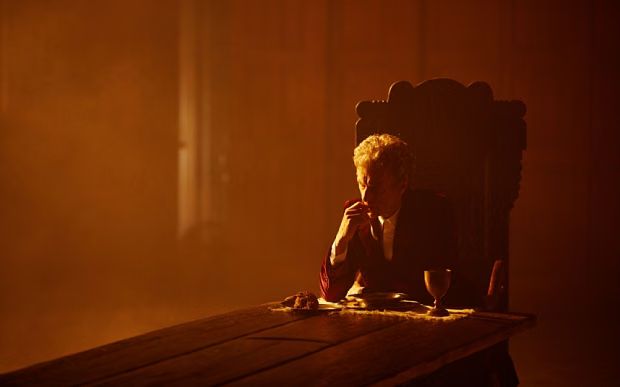
Of course, this all feels a bit more complicated than simply being a conflict between The Doctor and his own darker nature. The very first appearance for Capaldi was in "The Day of the Doctor", as all of The Doctor's incarnations teamed up to save Gallifrey by preserving it in a single moment in time inside of a pocket universe. It makes sense, then, that the culmination of this Doctor's biggest conflict involves encountering Gallifrey once again. Although The Doctor is one of them, the Time Lords really do come across as some of the most malignant characters in the entire Doctor Who canon, and this episode more or less illustrates how twisted they can be, as The Doctor was made to live inside the Confession Dial for two billion years, getting choked to death while pounding against a diamond wall, hoping to be set free -- only to be reborn the next day for the whole process to start over again. It's horrific stuff, but it also informs us about the nature of Capaldi's Doctor in the face of adversity, as he eventually refuses to go along with this process any longer.
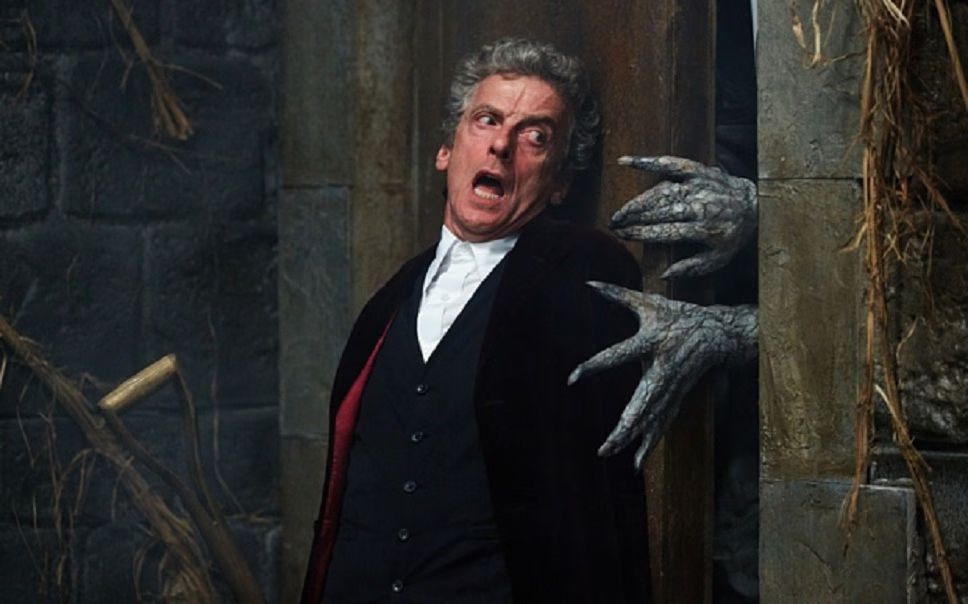
Long story short, The Doctor manages to engineer a reversal of the teleportation mechanism, which allows him to have a certain element of control over the Confession Dial process until, finally, he's able to break through the diamond wall to discover Gallifrey on the other side. It's a hell of a stunner to close things out, and I liked the approach the episode took in heading in this direction. The death of Clara is still vivid in The Doctor's mind, but the episode is about loftier issues than the death of a companion. Even the Clara hallucination The Doctor sees inside a mock representation of the TARDIS serves more as an element of his conscience than as a nightmare condeming him for his failures. Granted, I could have done without seeing Clara back so soon (even in hallucinatory form), since it would have helped to let her absence really sink in for a bit. But I think Coleman brings out the best in Capaldi, and this sequence was no different. The Doctor is a tortured soul, now as much as ever, so it'd basically be impossible to ignore the magnitude of Clara's loss in The Doctor's psychological journey. Naturally, this all culminates in The Doctor's biggest realization: "The Hybrid destined to conquer Gallifrey and stand in its ruins is me!" Perhaps it's something he's always known. If nothing else, it's something a lot of viewers figured out early into the season (unfortunately, I wasn't one of them. Guess I need to make closer readings of the material). The Doctor vs. himself is a well-worn conflict, but The Doctor vs. the Time Lords is an even richer storyline direction to take. If that's really where this is headed, then I can't wait for next week's finale. Hell, I can't wait, either way.

Ultimately, this was a puzzling but compelling hour of TV, as Doctor Who grows more delightfully complex with each episode this year. "Heaven Sent" was a brooding, dark episode with which to follow-up last week's tragic events, but also fitting. The episode after Clara's death should be dark, and distant, and authentically alien. It's strange that, as Doctor Who becomes less accessible, it becomes as engaging as ever. But with Capaldi at the helm as a darkly triumphant Doctor, I'm really enjoying the vividly weird direction of the show these days.


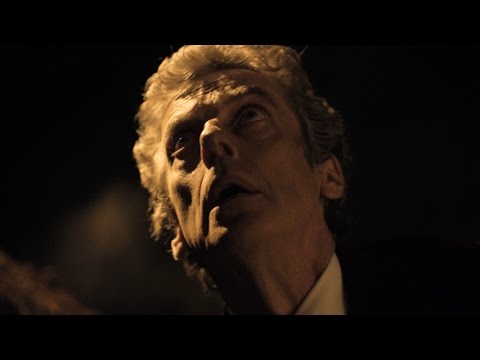
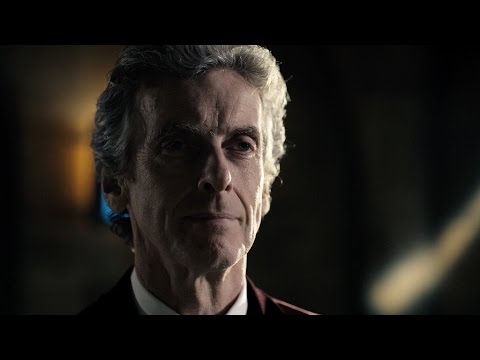


But what did you think of Doctor Who, Season 9 Episode 11, "Heaven Sent"? Sound off in the comments!
And for more on Doctor Who, read our review of last week's tragic death of Clara Oswald in the emotional "Face the Raven"!